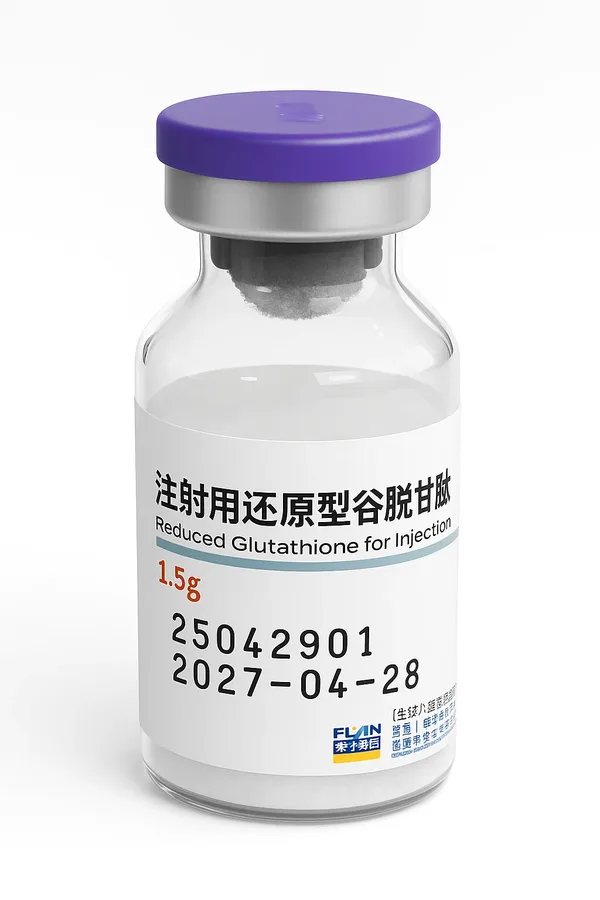
Glutathione
Glutathione (GSH) is the body's master tripeptide antioxidant, supporting cellular detoxification, skin brightening and immune defence against oxidative stress.
Total Price
฿1400
For research & laboratory use only. Not for human consumption.
Administration Route
IV or subcutaneous injection
Master Antioxidant
Primary intracellular ROS neutraliser in every human cell
Cellular Detoxification
Phase II liver detoxification conjugation substrate
DNA Protection
Prevents oxidative DNA strand breaks and maintains genomic stability
Mechanism of Action
Scientific Research
Journal of Nutrition (2009)
Why Researchers Choose Glutathione
Glutathione (GSH) is the master intracellular antioxidant, and it is studied wherever cellular redox balance, hepatic detoxification or skin pigmentation matter. Because oral GSH is poorly absorbed, injectable glutathione (supplied by Milo-Lab as a 1500mg vial) is the preferred form for research that needs reliable systemic exposure.
Research Applications
- Oxidative stress biomarker modulation studies
- Hepatic detoxification capacity and phase II enzyme activity research
- Immune cell function and cytotoxicity investigations
- Melanin synthesis inhibition and skin pigmentation research
- Age-associated GSH decline and supplementation protocols
- Pharmacokinetics of injectable vs. oral GSH delivery
How Glutathione Works
Glutathione is a tripeptide of glutamate, cysteine and glycine, and its reactive thiol (-SH) group is what makes it the cell’s primary line of antioxidant defence. It neutralises reactive oxygen species directly and serves as the electron donor for glutathione peroxidase enzymes that detoxify peroxides. In the liver it conjugates to toxins and xenobiotics during phase II detoxification, marking them for excretion. In melanocytes it shifts pigment synthesis from darker eumelanin toward lighter phaeomelanin and inhibits tyrosinase, which is the basis for its use in skin-pigmentation research. Because oral glutathione is largely broken down before absorption, injectable delivery is preferred wherever reliable systemic levels are required.
Storage and Reconstitution
Reconstitution: use sterile water for injection or normal saline immediately before use (glutathione is unstable once dissolved); for IV use, dilute in 50-250ml saline and administer promptly. After reconstitution: use within 4 hours for IV, or within 24 hours if refrigerated for subcutaneous use. Protect from light.
Dosing at a Glance
Route
IV or subcutaneous injection
Frequency
2-3x weekly (IM)
Typical research dose
300–1500 mg
Opens the calculator with this peptide preselected. Research reference only.
Product FAQs
Stacks Well With
Related Products
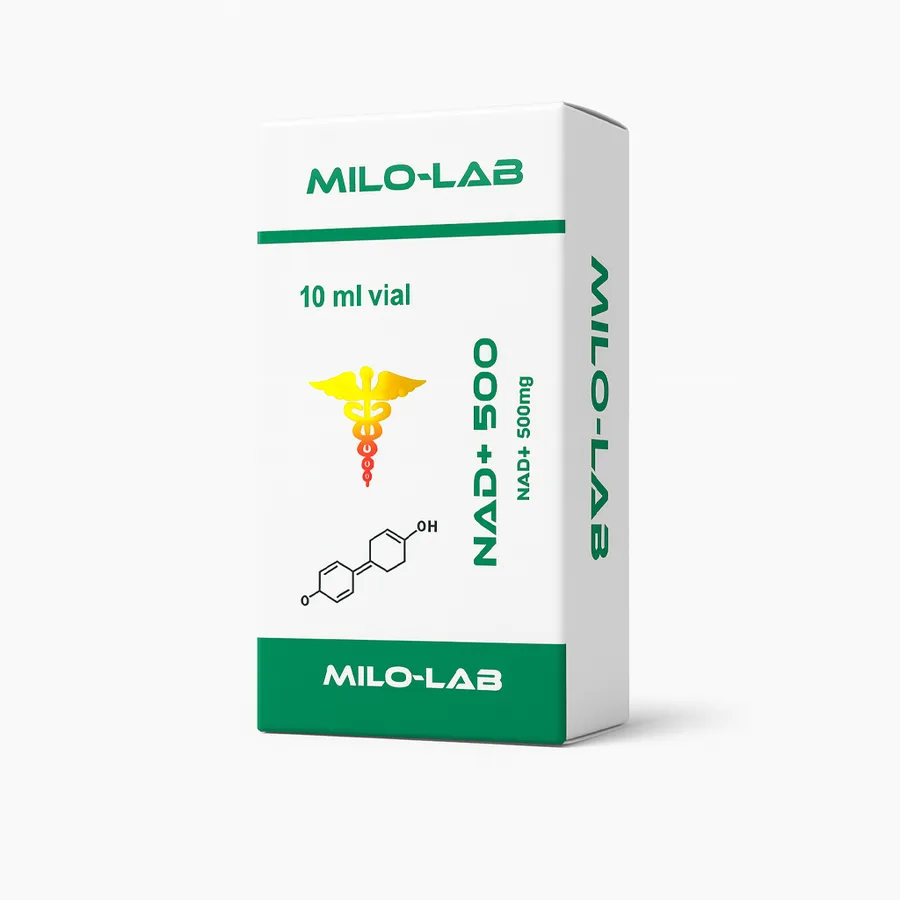
NAD+
NAD+ (nicotinamide adenine dinucleotide) is the central redox coenzyme and sirtuin substrate used in cellular energy, DNA repair and anti-aging research.
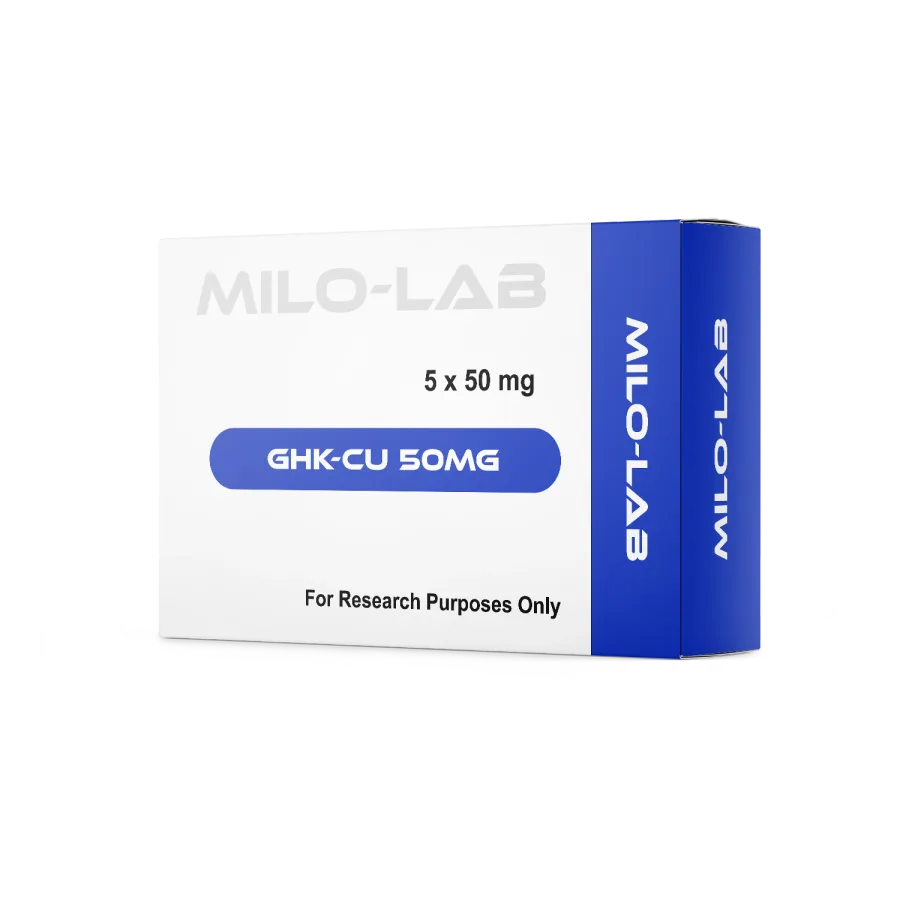
GHK-Cu
GHK-Cu (glycyl-L-histidyl-L-lysine) is a naturally occurring copper-binding tripeptide that drives collagen synthesis, skin repair and wound healing.