Weight Management
GLP-1 and GIP receptor agonists, lipolytic fragments, and metabolic peptides for body-composition research.
Our weight-management collection covers the most studied metabolic peptides available for research, from GLP-1 and dual GIP/GLP-1 receptor agonists to lipolytic growth-hormone fragments. Each compound is selected for documented mechanism, purity, and relevance to appetite, glucose-handling, and fat-metabolism research.
Showing 9 products
5-Amino-1MQ
5-Amino-1MQ is a small-molecule NNMT inhibitor that raises NAD+ and SAM to support fat-cell metabolism, insulin sensitivity and healthy aging research.
AOD-9604
AOD9604 (Anti-Obesity Drug 9604) is a synthetic fragment of human growth hormone (HGH) that targets fat metabolism without raising IGF-1.
MOTS-c
MOTS-c is a mitochondrial-derived peptide encoded in mitochondrial DNA that activates AMPK and is studied as an exercise mimetic for metabolic regulation.
Retatrutide
Retatrutide (LY3437943) is Eli Lilly's investigational triple-receptor peptide targeting GLP-1, GIP and glucagon, with up to 24.2% weight loss in Phase 2.
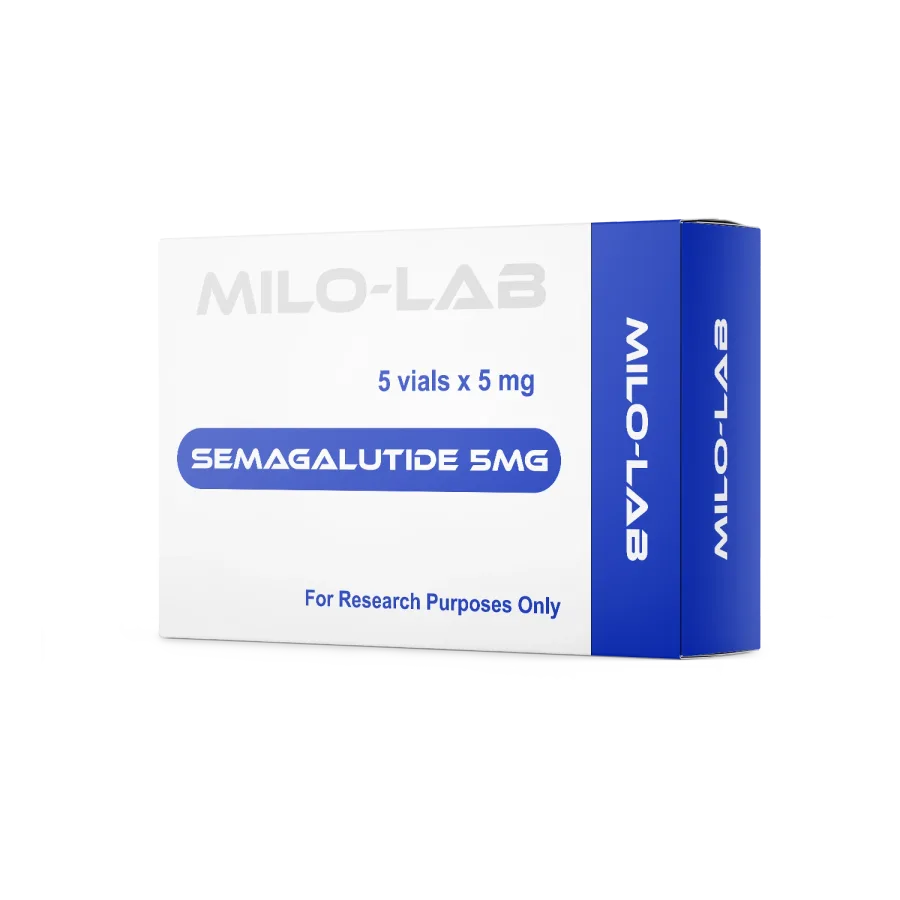
Semaglutide
Semaglutide (Ozempic) is a long-acting GLP-1 receptor agonist peptide that suppresses appetite and supports weight loss, with up to 14.9% reduction in STEP-1.
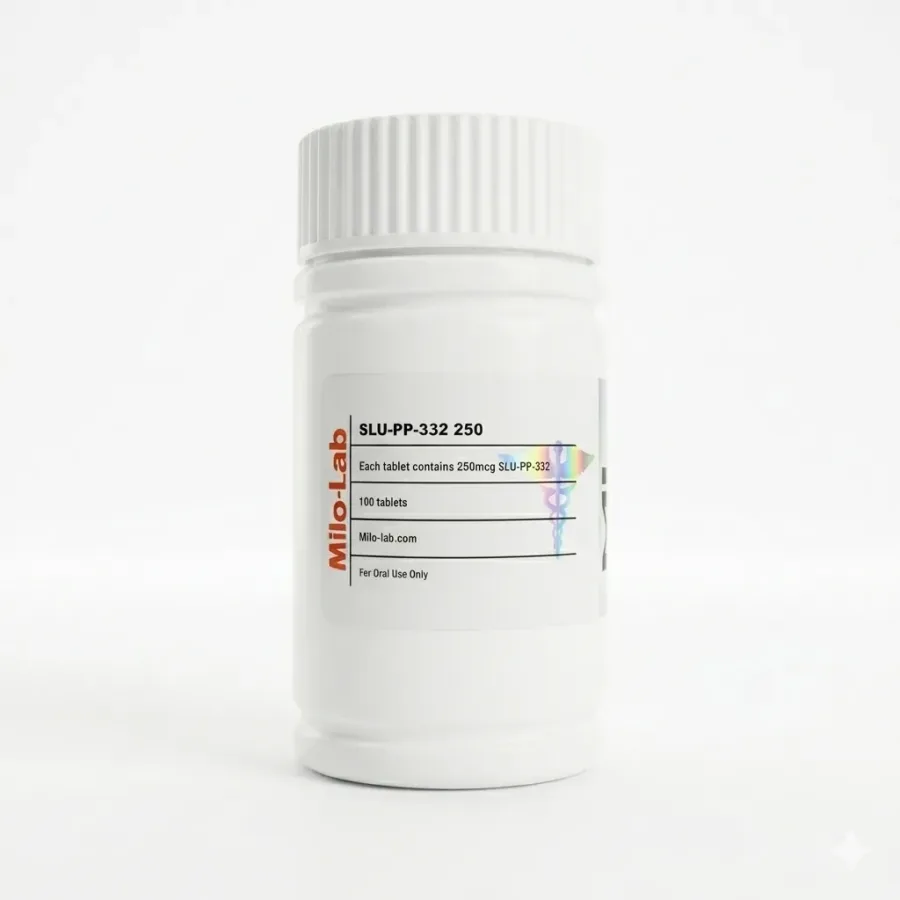
SLU-PP-332
SLU-PP-332 is an estrogen-related receptor (ERR) pan-agonist studied as an exercise mimetic that boosts mitochondrial activity and fat oxidation.
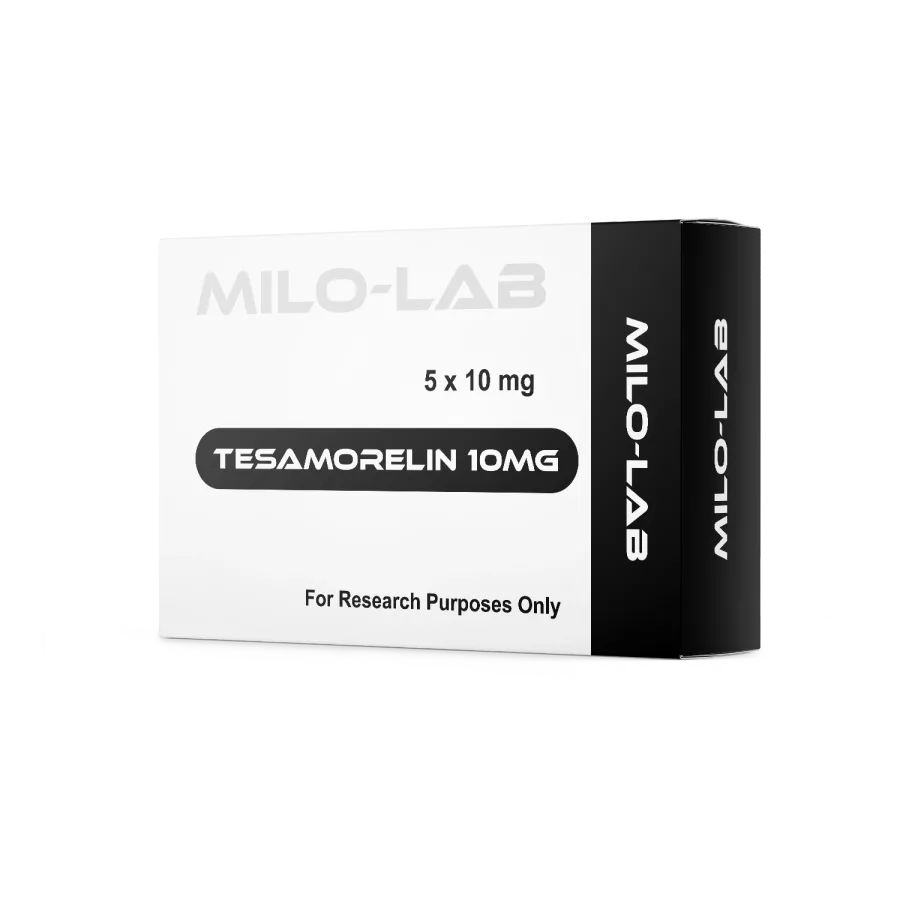
Tesamorelin
Tesamorelin (Egrifta) is an FDA-approved GHRH(1-44) analogue that stimulates natural growth hormone release to drive visceral fat loss and IGF-1 production.
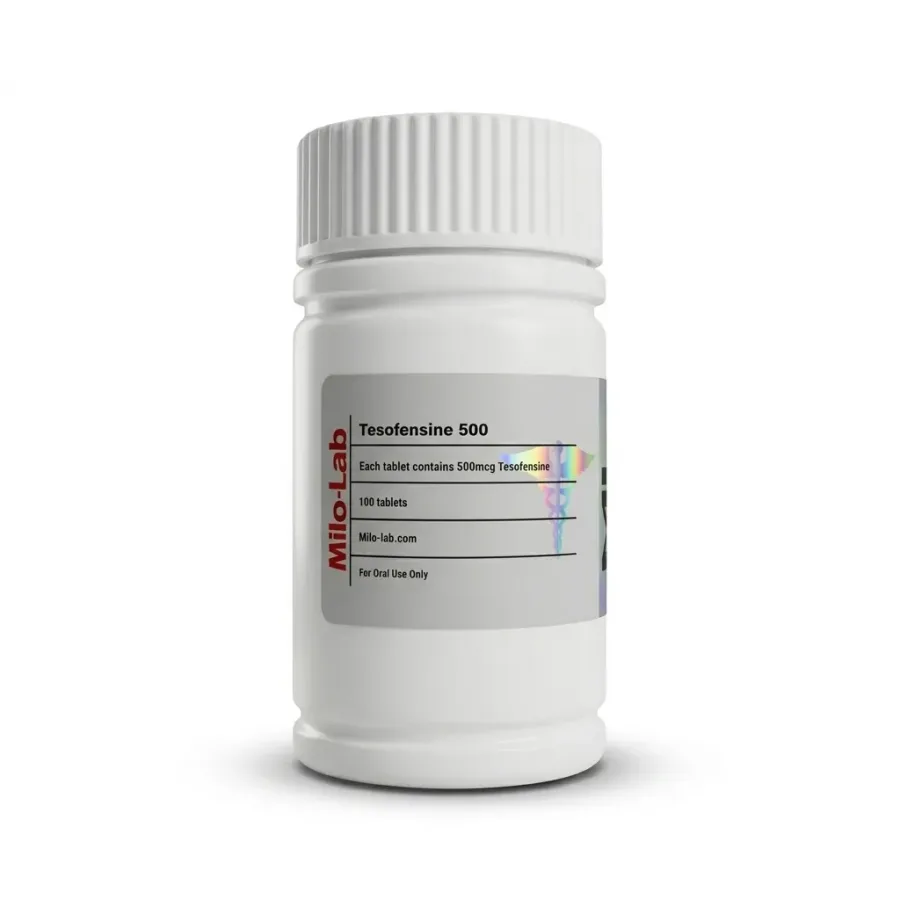
Tesofensine
Tesofensine (NS2330) is an oral triple monoamine reuptake inhibitor that suppresses appetite and supports weight management research.
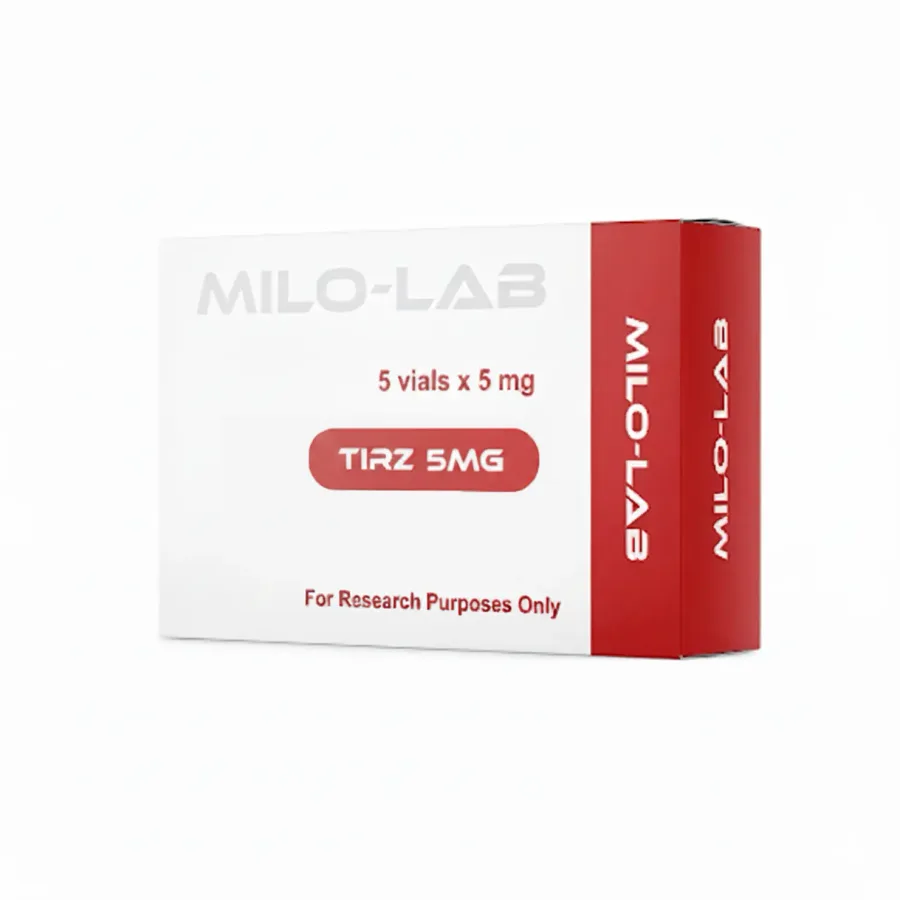
Tirzepatide
Tirzepatide (Mounjaro) is a dual GIP and GLP-1 receptor agonist peptide that lowers blood sugar and drives weight loss, with up to 22.5% loss in trials.
Understanding metabolic and weight-management peptides
Incretin-mimetic peptides such as semaglutide, tirzepatide, and retatrutide act on the GLP-1, GIP, and glucagon receptor systems that regulate appetite signalling, gastric emptying, and insulin response. Fragment peptides like AOD-9604 and tesofensine are studied along separate lipolytic and monoamine pathways. Together they make this one of the most active areas in current metabolic research.
Research applications
These compounds are widely used in laboratory study of energy balance, glycemic control, and body-composition models. Researchers select between single-receptor agonists and the newer multi-receptor candidates depending on the pathway under investigation. Reported potencies vary considerably between molecules, which is why mechanism and half-life are documented on every product page.
Quality, documentation and dispatch
Every weight-management peptide at Milo-Lab is supplied at pharmaceutical-grade purity with quality documentation, and is intended strictly for laboratory and research use. We ship discreetly from Thailand with secure worldwide dispatch. Orders are placed directly on the site and paid by card or cryptocurrency, and every shipment goes out with a tracking number.
All products are supplied strictly for laboratory and research purposes and are not intended for human consumption.