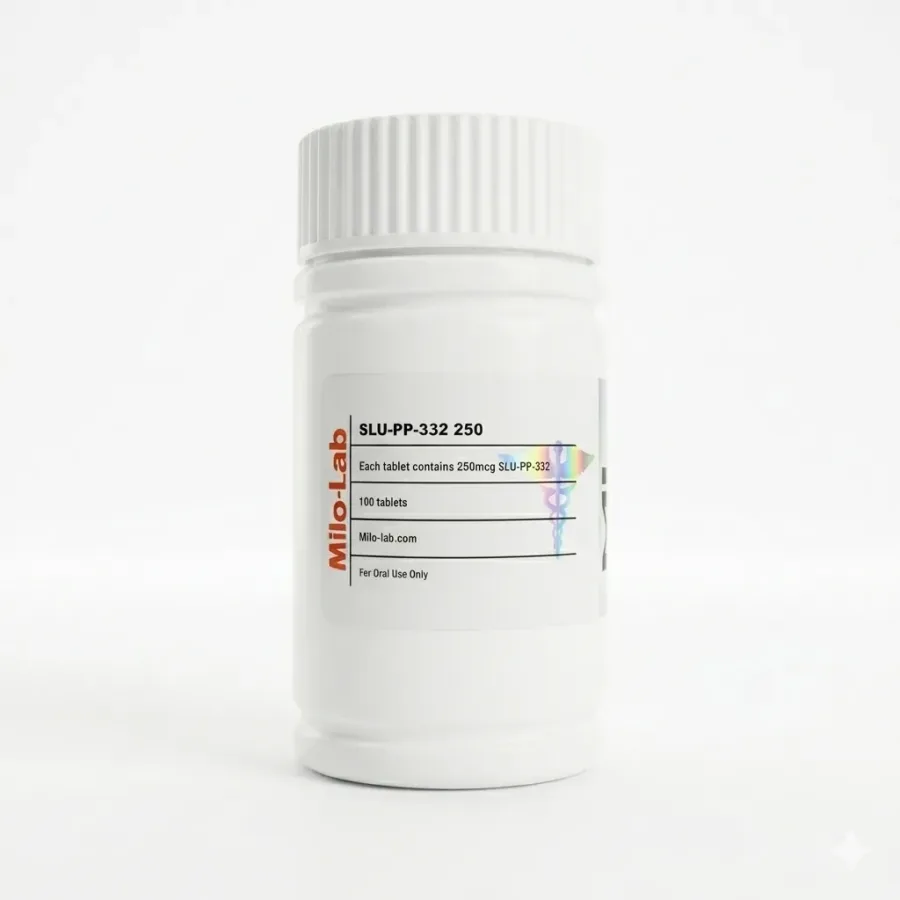
SLU-PP-332
SLU-PP-332 is an estrogen-related receptor (ERR) pan-agonist studied as an exercise mimetic that boosts mitochondrial activity and fat oxidation.
Total Price
฿1700
For research & laboratory use only. Not for human consumption.
Half-Life
~1-3 hours
Administration Route
Subcutaneous injection
Exercise Mimetic
Activates ERR alpha to mimic endurance-exercise metabolism
Fat Oxidation
Up-regulates fatty-acid oxidation and energy expenditure
Endurance
Improves mitochondrial function and running endurance in models
Effect Timeline
Increased energy expenditure and fat utilisation
Improved endurance and metabolic markers
Sustained mitochondrial and body-composition effects
Start — Week 2
Increased energy expenditure and fat utilisation
Week 4
Improved endurance and metabolic markers
Week 8
Sustained mitochondrial and body-composition effects
Mechanism of Action
Why Researchers Choose SLU-PP-332
SLU-PP-332 is an estrogen-related receptor (ERR) pan-agonist studied as an exercise mimetic, a compound that reproduces metabolic adaptations of endurance training without physical activity. By activating ERR alpha, beta and gamma, it amplifies the PGC-1 alpha program that governs how muscle and other oxidative tissues generate energy. Research interest centres on:
- Mitochondrial biogenesis and oxidative-metabolism upregulation
- Exercise-mimetic modelling: increased running capacity and endurance in preclinical work
- Fat oxidation and energy-expenditure protocols that do not rely on appetite suppression
- Skeletal-muscle fibre-type and metabolic-flexibility research
- Comparison against incretin agonists for fat-mass reduction with preserved food intake
Because SLU-PP-332 acts upstream through nuclear-receptor transcription, it offers a mechanistically distinct route to fat metabolism and metabolic endurance compared with GLP-1 or GLP-1/GIP peptides.
ERR Signalling and Energy Expenditure
ERR receptors are orphan nuclear receptors that coordinate the transcription of genes for oxidative phosphorylation, mitochondrial assembly and fatty-acid catabolism. When SLU-PP-332 engages them:
- The PGC-1 alpha coactivator program is amplified, the same pathway endurance exercise recruits
- Mitochondrial biogenesis increases the cell’s oxidative capacity
- Metabolism shifts toward fatty-acid oxidation, favouring fat as fuel
- Whole-body energy expenditure rises while food intake stays unchanged in preclinical models
The net effect studied is a fat-mass reduction driven by burning more energy rather than eating less.
Reconstitution and Storage
Reconstitution: reconstitute the vial with bacteriostatic water (1 to 2ml); swirl gently until dissolved, do not shake. Keep capsules in a cool, dry place away from light. After reconstitution: hold refrigerated and use within 28 days.
For research purposes only. Not for human consumption.
Dosing at a Glance
Route
Subcutaneous injection
Frequency
Once daily
Typical research dose
200–500 mcg
Opens the calculator with this peptide preselected. Research reference only.
Product FAQs
Stacks Well With
Semax
Semax is a synthetic ACTH(4-7) heptapeptide nootropic that upregulates BDNF and NGF for cognitive enhancement and neuroprotection.
Selank
Selank is a synthetic tuftsin-analogue heptapeptide developed in Russia, studied as a non-sedating anxiolytic and nootropic that raises BDNF.
NAD+
NAD+ (nicotinamide adenine dinucleotide) is the central redox coenzyme and sirtuin substrate used in cellular energy, DNA repair and anti-aging research.
Related Products
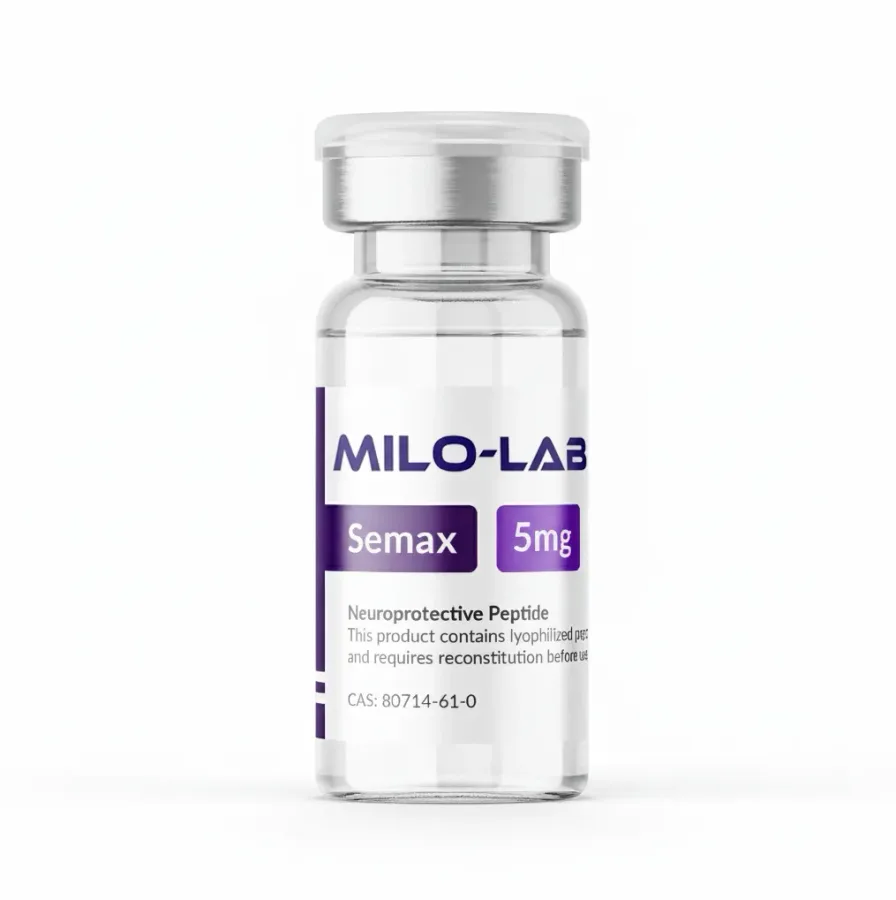
Semax
Semax is a synthetic ACTH(4-7) heptapeptide nootropic that upregulates BDNF and NGF for cognitive enhancement and neuroprotection.
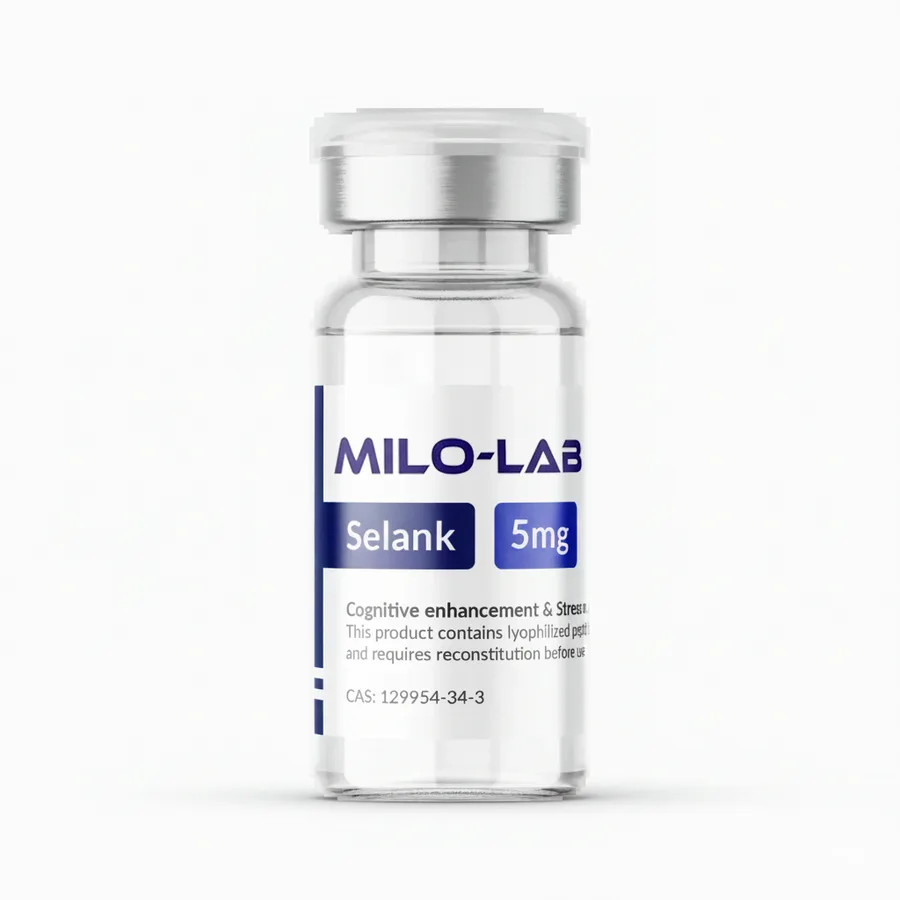
Selank
Selank is a synthetic tuftsin-analogue heptapeptide developed in Russia, studied as a non-sedating anxiolytic and nootropic that raises BDNF.
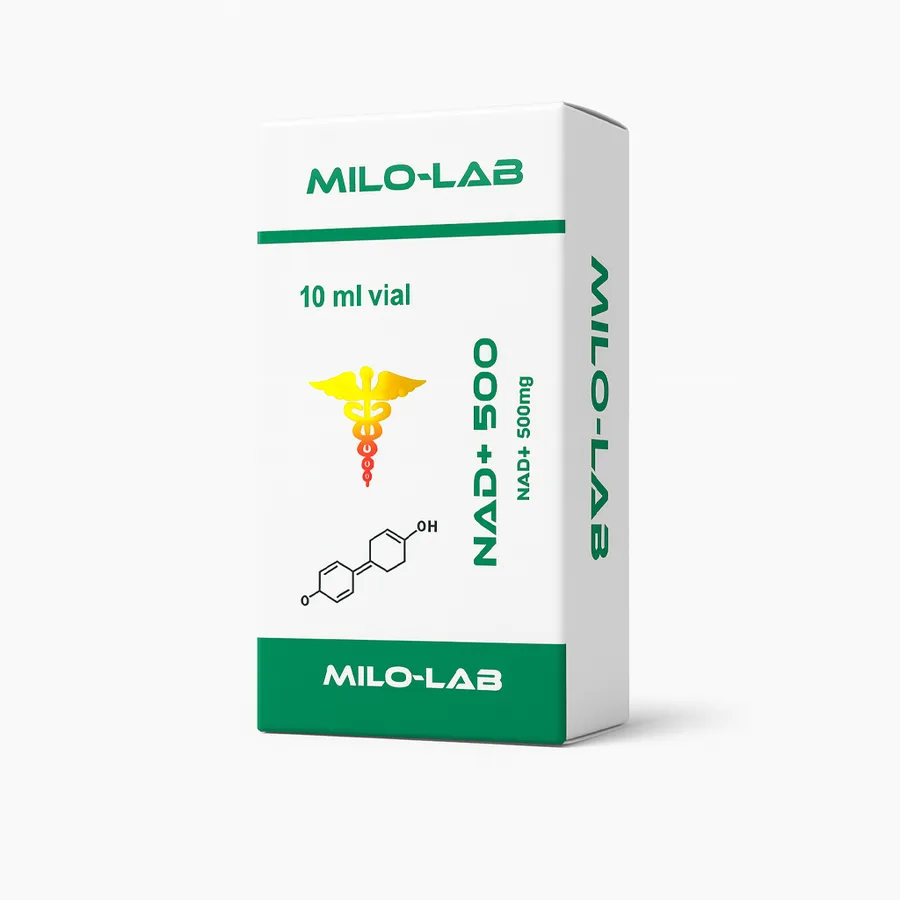
NAD+
NAD+ (nicotinamide adenine dinucleotide) is the central redox coenzyme and sirtuin substrate used in cellular energy, DNA repair and anti-aging research.