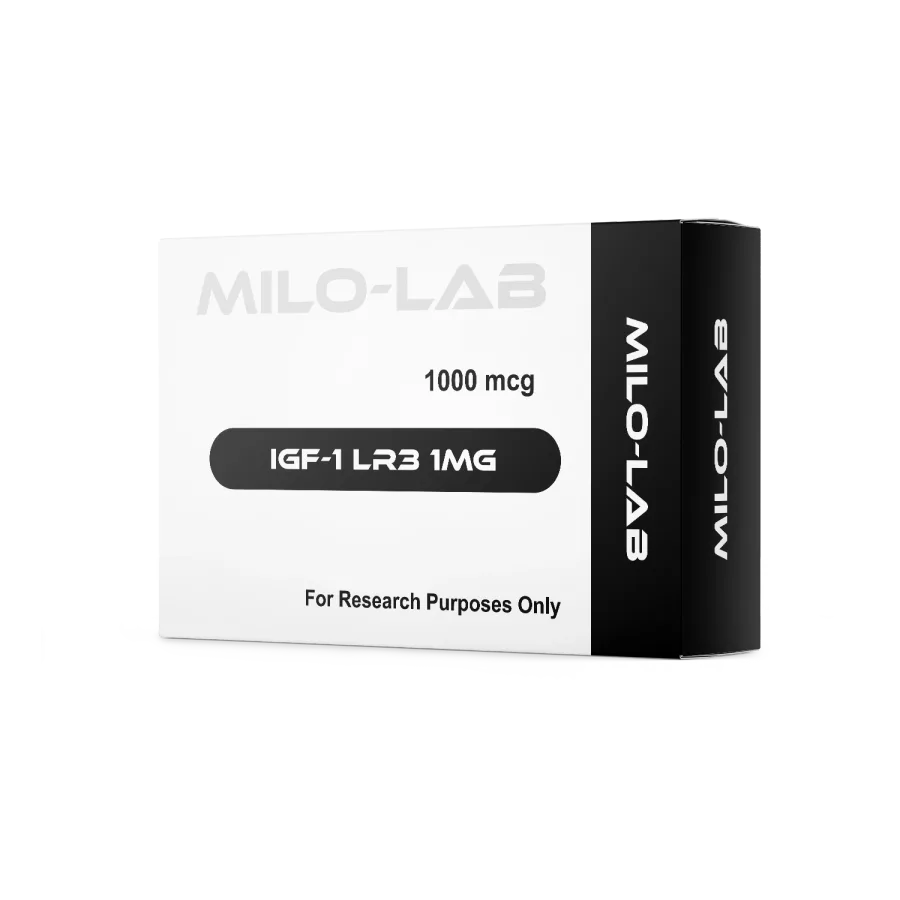
IGF-1 LR3
IGF-1 LR3 (Long R3 IGF-1) is a long-acting analogue of Insulin-like Growth Factor 1 that resists IGFBP binding to drive muscle protein synthesis.
Total Price
฿2300
For research & laboratory use only. Not for human consumption.
Half-Life
~20-30 hours
Administration Route
Subcutaneous injection
Potent Anabolic Signal
Long R3 analogue with 3x longer half-life than native IGF-1
Hyperplasia Stimulus
Promotes satellite cell division for new muscle fibre formation
Fat Oxidation
Increases glucose uptake in muscle; shifts fuel to fat
Effect Timeline
Muscle fullness increases; satellite cell activation begins
Strength gains; muscle repair between sessions accelerated
Hyperplasia potential; new fibre formation possible with training
Maximum anabolic window; continued training amplifies results
Start — Week 1
Muscle fullness increases; satellite cell activation begins
Week 2
Strength gains; muscle repair between sessions accelerated
Week 4
Hyperplasia potential; new fibre formation possible with training
Week 8
Maximum anabolic window; continued training amplifies results
Mechanism of Action
Scientific Research
Growth Regul (1994)
J Appl Physiol (2003)
J Endocrinol (2000)
Why Researchers Choose IGF-1 LR3
IGF-1 LR3, the Long R3 analogue of Insulin-like Growth Factor 1, is studied wherever a long-acting, high-availability IGF-1 signal is needed to probe anabolic and regenerative biology. Because its 20 to 30 hour half-life keeps the IGF-1 receptor engaged far longer than native IGF-1, it is a common tool in:
- Muscle protein synthesis and hypertrophy signalling studies
- Satellite cell proliferation, differentiation and myonuclear-accretion research
- PI3K/Akt/mTOR pathway activation and ribosomal-biogenesis investigations
- Tissue repair, regeneration and anti-apoptotic survival models
- Glucose-uptake and nutrient-partitioning experiments in skeletal muscle
IGF-1R Signalling Cascade
IGF-1 LR3 binds the IGF-1 receptor (IGF-1R) with affinity comparable to native IGF-1. IGF-1R is a receptor tyrosine kinase, and once activated it propagates several downstream cascades.
PI3K/Akt/mTOR pathway:
- PI3K converts PIP2 to PIP3 at the membrane
- PIP3 recruits Akt (PKB) for activating phosphorylation
- Active Akt phosphorylates and activates mTORC1
- mTORC1 engages S6K1 and 4E-BP1, driving ribosomal biogenesis and cap-dependent protein translation
MAPK/ERK pathway:
- The Ras, Raf, MEK, ERK relay drives proliferative gene expression
- Promotes cell-cycle entry in satellite cells and other progenitors
Anti-apoptotic signalling:
- Akt phosphorylates and inactivates pro-apoptotic proteins such as Bad and caspase-9
- Supports cell survival during high-stress tissue remodelling
Satellite Cell Activation
The most consequential long-term growth mechanism runs through muscle satellite cells, the quiescent stem cells that sit beneath the basal lamina of skeletal muscle fibres. In response to IGF-1R stimulation these cells:
- Exit quiescence and proliferate
- Differentiate into myoblasts
- Fuse with existing fibres and donate new nuclei
- Allow each fibre to support a larger volume of contractile protein per added nucleus
This satellite cell response is what lets IGF-1 LR3 be associated with lasting increases in muscle fibre nuclear content, rather than only transient anabolic spikes.
IGF-1 LR3 vs GHRH/GHRP Protocols
| Feature | IGF-1 LR3 | GHRH + GHRP (e.g. CJC + Ipamorelin) |
|---|---|---|
| Mechanism | Direct IGF-1R agonism | Stimulate GH release, then hepatic IGF-1 production |
| Half-life | 20 to 30 hours | 30 minutes to 2 hours |
| Satellite cells | Direct activation | Indirect, via GH-stimulated IGF-1 |
| Glucose regulation | Significant effect | Minor |
Reconstitution and Storage
Reconstitution: the peptide is degradation-sensitive, so use 0.6% acetic acid solution rather than plain bacteriostatic water for optimal stability; swirl gently until dissolved, do not shake. After reconstitution: keep the solution refrigerated at 2-8°C and use within roughly three weeks.
For research purposes only. Not for human consumption.
Dosing at a Glance
Route
Subcutaneous injection
Frequency
Once daily
Typical research dose
20–50 mcg
Opens the calculator with this peptide preselected. Research reference only.
Product FAQs
Stacks Well With
Ipamorelin
Ipamorelin is a selective pentapeptide growth hormone secretagogue (GHRP) that triggers clean, pulsatile GH release without spiking cortisol or prolactin.
CJC-1295 (no DAC)
CJC-1295 without DAC (Mod GRF 1-29) is a short-acting GHRH analogue that triggers pulsatile growth hormone release for muscle, recovery and fat-loss research.
Related Products
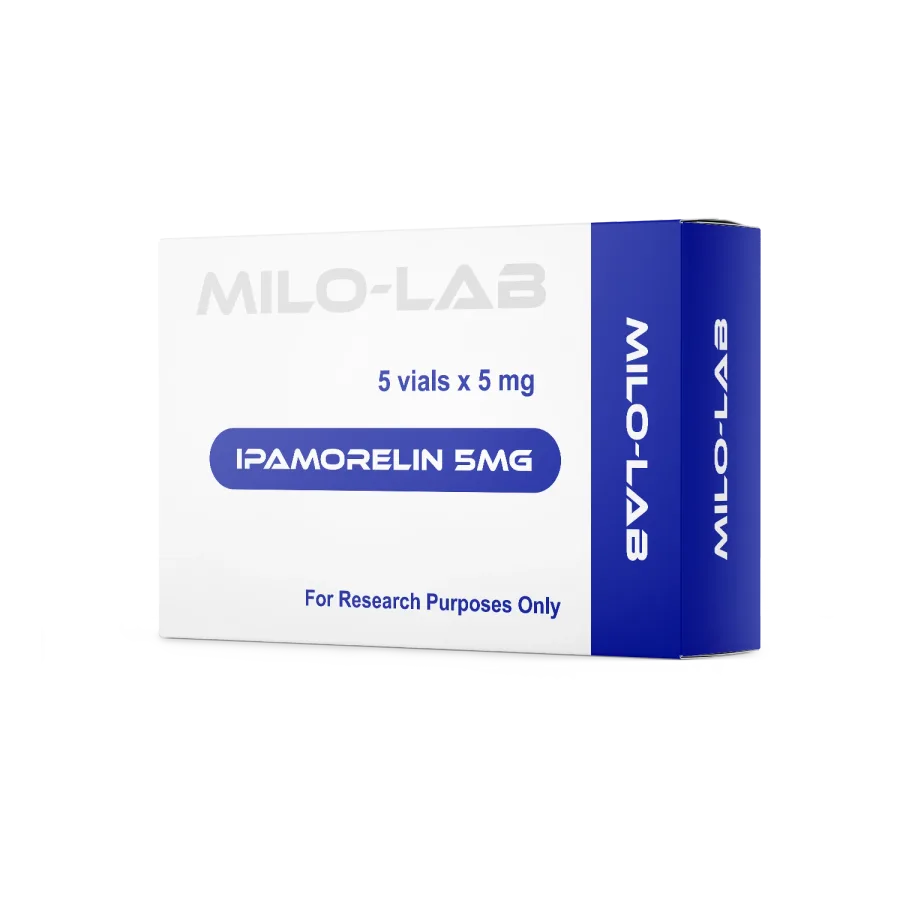
Ipamorelin
Ipamorelin is a selective pentapeptide growth hormone secretagogue (GHRP) that triggers clean, pulsatile GH release without spiking cortisol or prolactin.
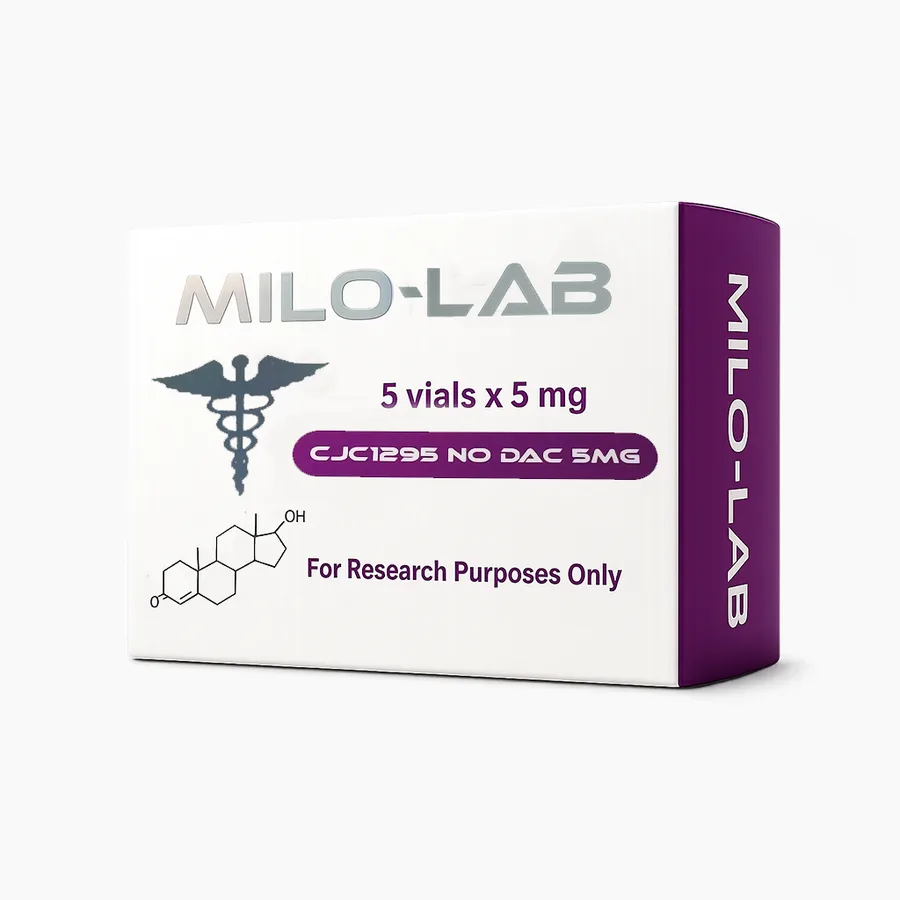
CJC-1295 (no DAC)
CJC-1295 without DAC (Mod GRF 1-29) is a short-acting GHRH analogue that triggers pulsatile growth hormone release for muscle, recovery and fat-loss research.