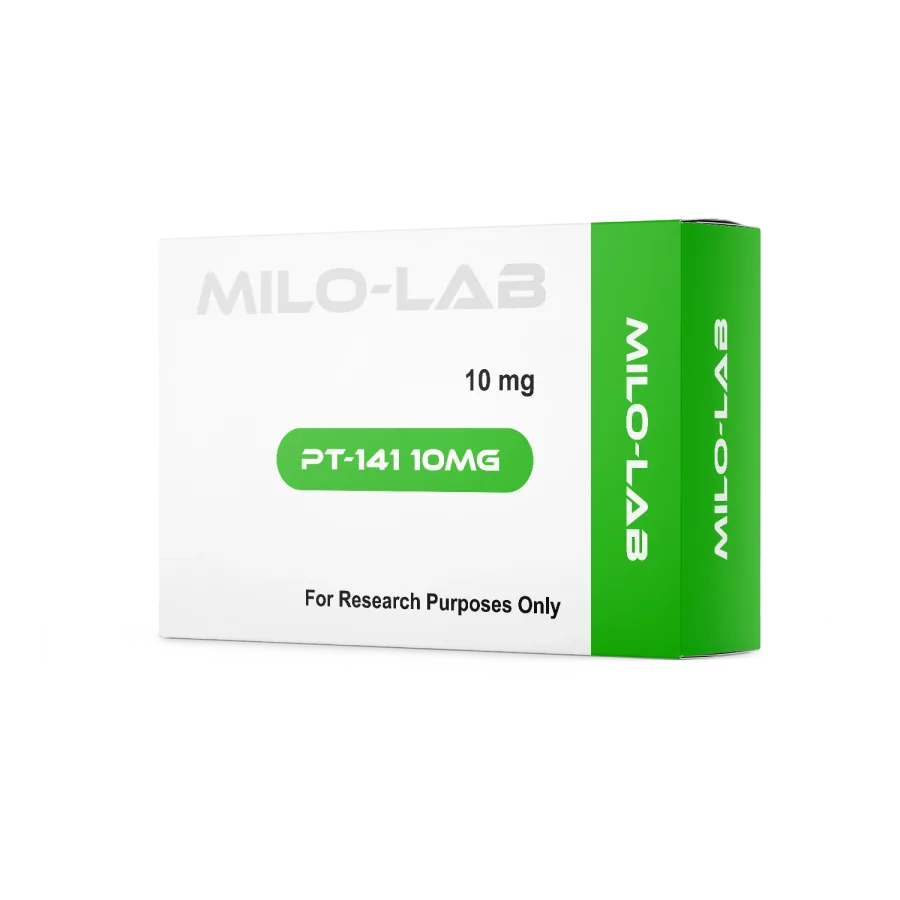
PT-141
PT-141 (bremelanotide) is a melanocortin MC4R agonist peptide that acts centrally in the brain to drive sexual desire and arousal.
Total Price
฿1000
For research & laboratory use only. Not for human consumption.
Half-Life
~2.7 hours
Administration Route
Subcutaneous injection
Central Arousal Pathway
MC4R agonist acts in hypothalamus, not genitals, true CNS arousal
Rapid Onset
Effects within 45-60 minutes; 12-hour activity window
Both Sexes
Effective in male and female arousal disorder research
Effect Timeline
Arousal onset; hypothalamic MC4R activation within 1 hour
Peak effect window; maximum arousal and sensitivity
Effect duration; gradual return to baseline
No dependence; can repeat 2–3x weekly in research
Start — 45–90 min
Arousal onset; hypothalamic MC4R activation within 1 hour
4–6 hours
Peak effect window; maximum arousal and sensitivity
12 hours
Effect duration; gradual return to baseline
After protocol
No dependence; can repeat 2–3x weekly in research
Mechanism of Action
Scientific Research
Obstet Gynecol (2019)
Ann N Y Acad Sci (2003)
J Sex Med (2006)
Central Mechanism: The Brain Desire Circuit
The distinction between PT-141 and conventional sexual health treatments is fundamental:
Peripheral approach (PDE5 inhibitors): Sildenafil/tadalafil inhibit phosphodiesterase 5, increasing cGMP in vascular smooth muscle → vasodilation → improved genital blood flow. They require sexual stimulation. They treat physical response, not desire.
Central approach (PT-141): Activates MC4R in the medial preoptic area (mPOA) and arcuate nucleus of the hypothalamus. MC4R activation:
- Increases dopamine release in the nucleus accumbens (mesolimbic reward pathway)
- Activates oxytocin neurons in the PVN
- Reduces inhibitory signalling from somatostatin interneurons in the mPOA
The result: intrinsic sexual motivation is increased, independent of external stimulation or vascular status.
MC3R vs MC4R: Different Roles
MC4R: Primary mediator of PT-141’s sexual effects. Expressed in the hypothalamus, brainstem, and limbic system. MC4R knockout mice have markedly reduced sexual behaviour. MC4R also regulates energy homeostasis - explaining the mild appetite suppression sometimes noted.
MC3R: Expressed in the limbic system and modulates presynaptic autoinhibition of melanocortin signalling. MC3R activation by PT-141 may contribute to the anxiolytic component of its effects.
FDA Approval Context
The bremelanotide Phase 3 programme (RECONNECT trials) enrolled 1267 premenopausal women with HSDD:
- Primary endpoints: satisfying sexual events and distress scores
- Results: significant improvement in both endpoints vs placebo
- Approval dose: 1.75mg subcutaneous, 45 minutes before anticipated sexual activity, max 1 dose per 24 hours
Storage
Reconstitution: use bacteriostatic water; swirl gently until dissolved, do not shake. After reconstitution: keep refrigerated (2-8°C), protect from light, and use within 30 days.
For research purposes only. Not for human consumption.
Dosing at a Glance
Route
Subcutaneous injection
Frequency
As needed
Typical research dose
1–2 mg
Opens the calculator with this peptide preselected. Research reference only.
Product FAQs
Customer Reviews
It worked very well, I'm impressed with it. The side effect for me was headaches. If I can overcome the headache problem, I will buy more.
It works like a charm.
Mixed it into a nasal spray bottle with BAC water. Got a nice effect! I tried a higher dose and it resulted in an upset stomach. 5 days delivery to Isan.
Stacks Well With
Kisspeptin
Kisspeptin-10 is a GPR54-activating neuropeptide that drives pulsatile GnRH release, raising LH, FSH and testosterone in human reproductive research.
Oxytocin
Oxytocin is a 9-amino-acid hypothalamic neuropeptide and oxytocin-receptor agonist studied for social bonding, trust, stress reduction and prosocial behaviour.
Related Products
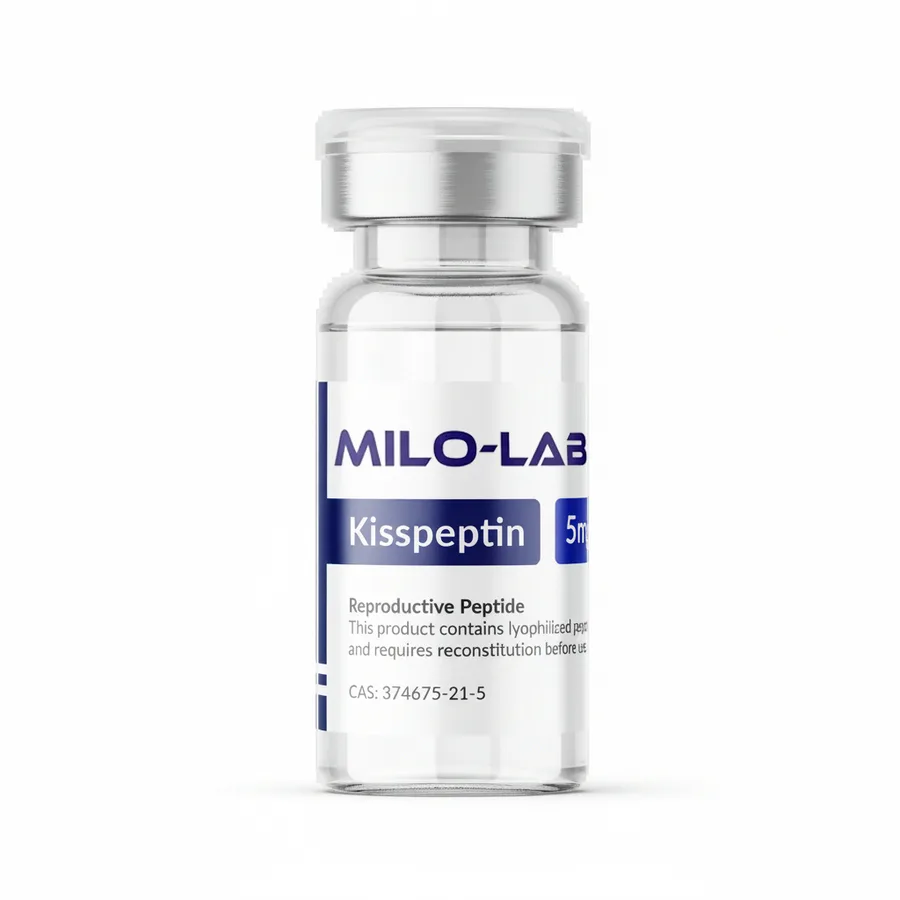
Kisspeptin
Kisspeptin-10 is a GPR54-activating neuropeptide that drives pulsatile GnRH release, raising LH, FSH and testosterone in human reproductive research.

Oxytocin
Oxytocin is a 9-amino-acid hypothalamic neuropeptide and oxytocin-receptor agonist studied for social bonding, trust, stress reduction and prosocial behaviour.