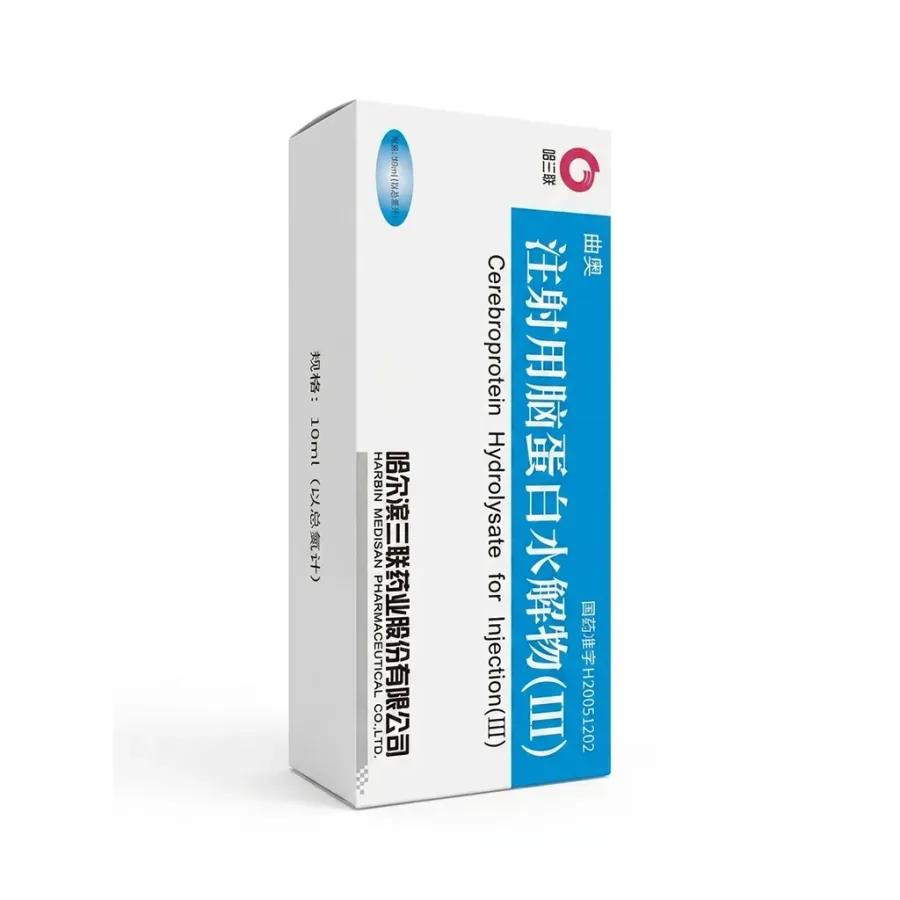
Cerebrolysin
Cerebrolysin is a neuropeptide complex from porcine brain proteins that mimics BDNF, NGF and GDNF for cognition and neuro-recovery research.
Total Price
฿4900
For research & laboratory use only. Not for human consumption.
Half-Life
Active fractions have varied half-lives; clinical effects persist far longer than plasma levels suggest
Administration Route
Intravenous infusion or intramuscular injection
Neurotrophic Complex
Mimics BDNF, NGF and GDNF, 3 key brain growth factors
Alzheimer's Evidence
Approved in 50+ countries; 140+ RCTs for cognitive decline
BBB Crossing Peptides
Small peptide fractions cross blood-brain barrier via transporters
Effect Timeline
Initial cognitive improvements; BDNF elevation begins
Memory recall improving; processing speed faster
Neuroplasticity markers elevated; mood stabilisation
Peak ADAS-cog improvement in Alzheimer models at this point
Start — Week 1–2
Initial cognitive improvements; BDNF elevation begins
Week 3
Memory recall improving; processing speed faster
Week 5
Neuroplasticity markers elevated; mood stabilisation
Week 10
Peak ADAS-cog improvement in Alzheimer models at this point
Mechanism of Action
Scientific Research
J Alzheimers Dis (2015)
Stroke (2012)
J Neural Transm (2005)
Why Researchers Choose Cerebrolysin
Cerebrolysin stands apart from single-target neuropeptides because it is a multi-fraction neurotrophic complex with one of the deepest clinical datasets in the field. The 60mg presentation (6 vials) is studied wherever broad neuroprotective and pro-regenerative signalling is the goal:
- Neurotrophic-factor mimicry across BDNF, NGF, GDNF and NT-3 pathways
- Cognitive-decline and dementia models, including Alzheimer’s disease
- Post-stroke and post-injury neuro-recovery research
- Synaptic plasticity, long-term potentiation and memory-consolidation studies
- Adult neurogenesis and axonal-regeneration investigations
Neurotrophic Mechanism
Brain-derived neurotrophic factor (BDNF), nerve growth factor (NGF), glial cell line-derived neurotrophic factor (GDNF) and neurotrophin-3 (NT-3) are the core survival and plasticity signals for neurons. They sustain neuronal survival under stress, enable long-term potentiation (LTP) and memory consolidation, support adult neurogenesis in the hippocampal dentate gyrus, and drive axonal regeneration after injury.
The obstacle is delivery. Full-length neurotrophins (BDNF around 27 kDa, NGF around 26 kDa) are too large to cross the blood-brain barrier, so peripheral dosing of the intact proteins produces little meaningful central nervous system effect. Cerebrolysin sidesteps this limitation: its low molecular weight peptide fractions pass the barrier through amino acid and small peptide transporters, then activate TrkB (the BDNF receptor), TrkA (the NGF receptor) and RET (the GDNF co-receptor). The resulting MAPK/ERK, PI3K/Akt and PLC-gamma signalling promotes neuronal survival, synaptic plasticity and neurogenesis.
Key Research Areas
Alzheimer’s disease: Multiple randomised trials and meta-analyses report cognitive benefit in mild-to-moderate AD, including improved ADAS-cog and MMSE scores versus placebo and slower functional decline, with proposed disease-modifying effects linked to reduced amyloid oligomer toxicity and tau phosphorylation.
Acute ischaemic stroke: The multinational CASTA trial and later meta-analyses found improved neurological outcomes when cerebrolysin was given within roughly 24 to 48 hours of stroke onset. Proposed contributors include reduced excitotoxicity through NMDA receptor modulation, anti-apoptotic Akt activation in penumbral neurons, and enhanced axonal sprouting and synaptic reorganisation.
Traumatic brain injury: Work in military and sports-medicine settings points to improved cognitive recovery after head injury.
Cerebrolysin vs Isolated Peptides (Semax, Selank, P21)
| Feature | Cerebrolysin | Isolated peptides (semax, selank, P21) |
|---|---|---|
| Composition | Multi-fraction complex | Single defined peptide |
| Clinical data | Extensive (more than 140 RCTs) | Limited (semax: mainly Russian data) |
| Mechanism | Multiple neurotrophic pathways | Specific (ACTH/CNTF/TREK-1) |
| Administration | IV infusion or IM injection | Subcutaneous or intranasal |
| BBB crossing | Via transporters | Varies by compound |
Cerebrolysin leads when the priority is the broadest evidence base and multi-pathway coverage. Isolated peptides remain the better fit for mechanism-specific questions.
Administration and Storage
Storage: ready-to-use liquid, no reconstitution required; keep vials at 10-25°C and observe the shelf life on the vial label. In use: administer by intravenous infusion or intramuscular injection (research protocols commonly diluted 10-30 ml in 100 ml saline over 15-20 minutes), and use an opened vial within the same session.
For research purposes only. Not for human consumption.
Dosing at a Glance
Route
Intravenous infusion or intramuscular injection
Frequency
Once daily (IM/IV)
Typical research dose
60–300 mg
Opens the calculator with this peptide preselected. Research reference only.
Product FAQs
Stacks Well With
Semax
Semax is a synthetic ACTH(4-7) heptapeptide nootropic that upregulates BDNF and NGF for cognitive enhancement and neuroprotection.
NAD+
NAD+ (nicotinamide adenine dinucleotide) is the central redox coenzyme and sirtuin substrate used in cellular energy, DNA repair and anti-aging research.
Epitalon
Epitalon (epithalon) is a synthetic Ala-Glu-Asp-Gly tetrapeptide studied for telomerase activation, pineal regulation and longevity research.
Related Products
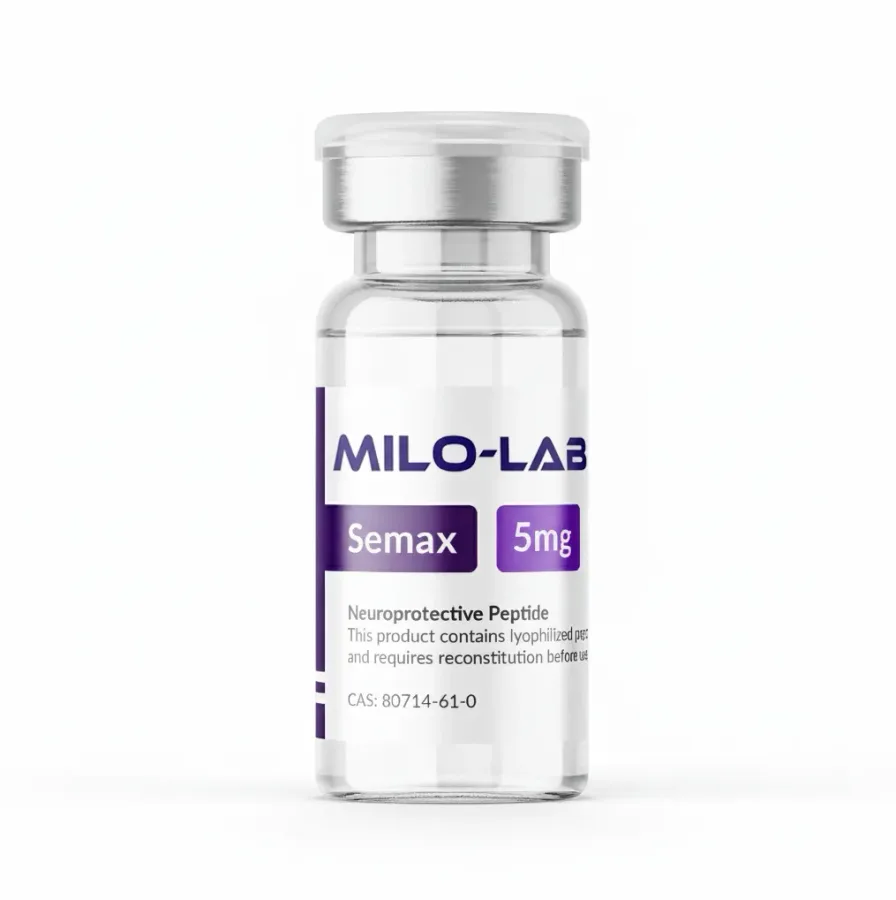
Semax
Semax is a synthetic ACTH(4-7) heptapeptide nootropic that upregulates BDNF and NGF for cognitive enhancement and neuroprotection.
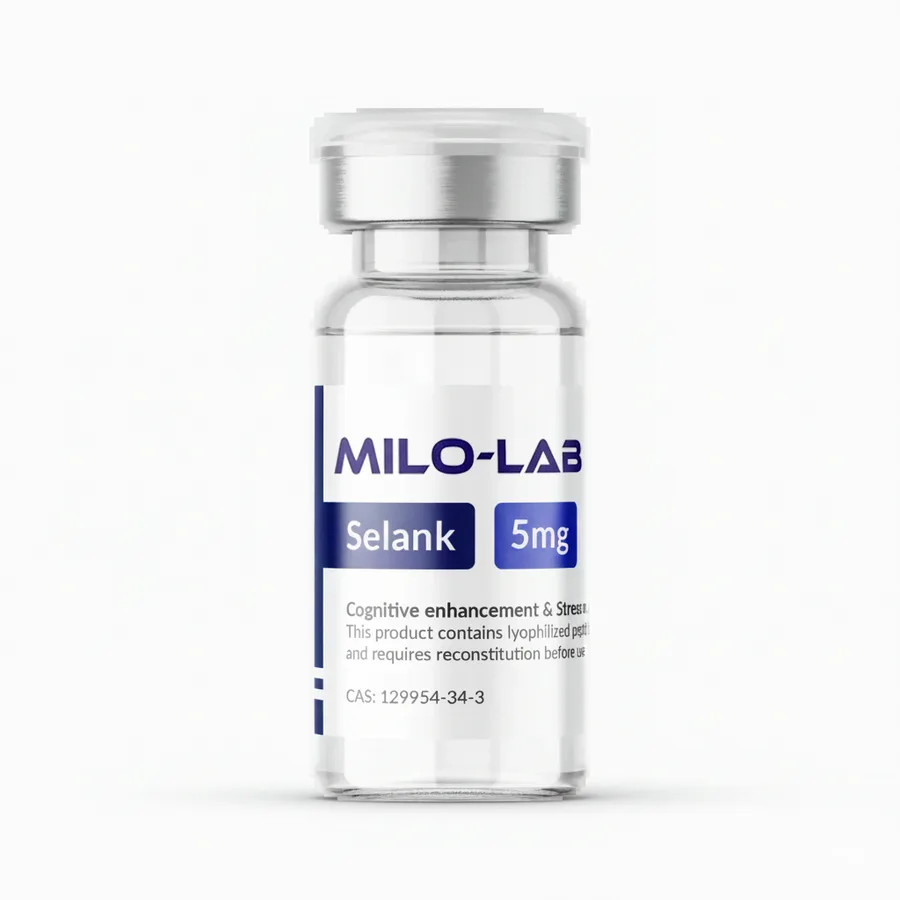
Selank
Selank is a synthetic tuftsin-analogue heptapeptide developed in Russia, studied as a non-sedating anxiolytic and nootropic that raises BDNF.
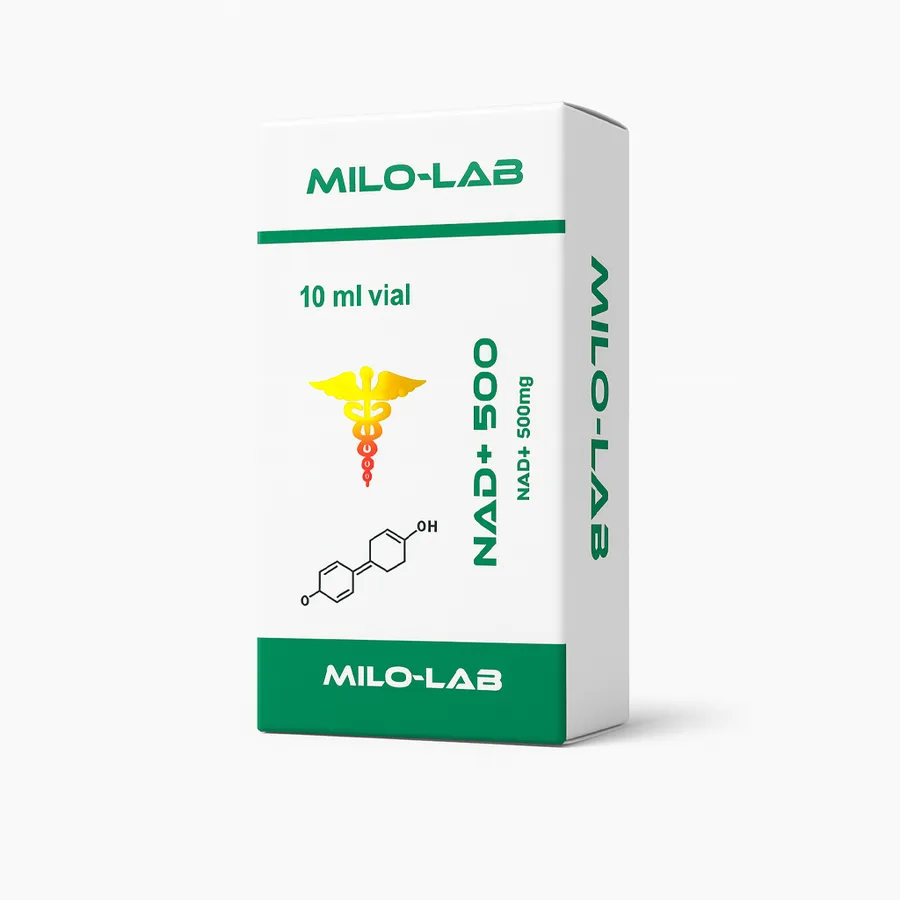
NAD+
NAD+ (nicotinamide adenine dinucleotide) is the central redox coenzyme and sirtuin substrate used in cellular energy, DNA repair and anti-aging research.