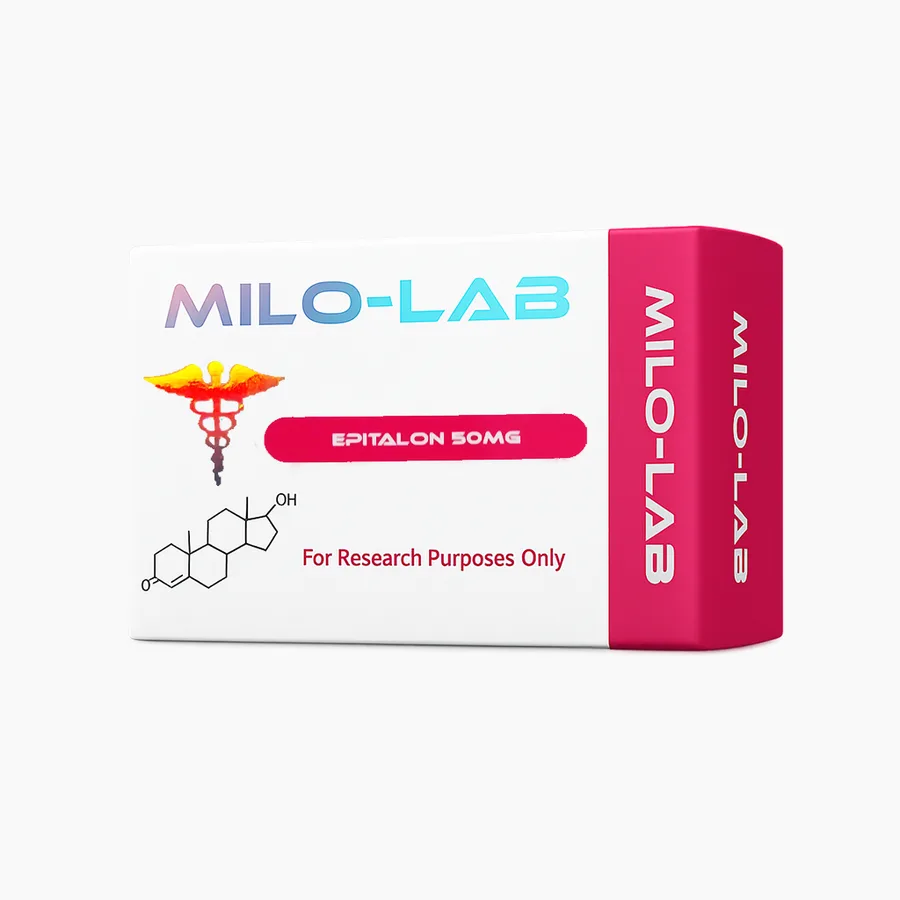
Epitalon
Epitalon (epithalon) is a synthetic Ala-Glu-Asp-Gly tetrapeptide studied for telomerase activation, pineal regulation and longevity research.
Total Price
฿2700
For research & laboratory use only. Not for human consumption.
Half-Life
Unknown
Administration Route
Subcutaneous injection
Telomere Extension
Only peptide with RCT evidence of telomere lengthening
Pineal Gland Regulation
Restores melatonin secretion and circadian rhythm
Cancer Suppression
Enhances p53 tumour suppressor activity in aged tissue
Effect Timeline
Improved sleep depth; melatonin rhythm begins normalising
Energy levels improve; circadian rhythm stabilises
Telomere lengthening observed in research; antioxidant markers up
Sustained anti-aging effects; cellular senescence markers reduced
Start — Week 4
Improved sleep depth; melatonin rhythm begins normalising
Week 8
Energy levels improve; circadian rhythm stabilises
Week 16
Telomere lengthening observed in research; antioxidant markers up
Week 24
Sustained anti-aging effects; cellular senescence markers reduced
Mechanism of Action
Scientific Research
Neuro Endocrinology Letters (2003)
Why Researchers Choose Epitalon
Epitalon (epithalon) is the synthetic Ala-Glu-Asp-Gly tetrapeptide that put telomerase activation on the longevity-research map, and it is studied wherever telomere biology, pineal function and biological-age endpoints intersect:
- Telomere length maintenance and telomerase (hTERT) activation studies
- Cellular senescence and replicative lifespan research
- Pineal gland regulation, melatonin and circadian rhythm investigations
- Anti-carcinogenic activity in chemically induced tumour models
- Neuroendocrine ageing and hypothalamic-pituitary regulation studies
- Oxidative stress and antioxidant pathway research
Reconstitution and Storage
Reconstitution: use bacteriostatic water (typically 1 to 2ml per vial); swirl gently until fully dissolved, do not shake. After reconstitution: keep refrigerated at 2-8°C, use within 28 days, do not freeze or expose to direct light.
Dosing at a Glance
Route
Subcutaneous injection
Frequency
Once daily (10-20 day cycle)
Typical research dose
5–10 mg
Opens the calculator with this peptide preselected. Research reference only.
Product FAQs
Stacks Well With
NAD+
NAD+ (nicotinamide adenine dinucleotide) is the central redox coenzyme and sirtuin substrate used in cellular energy, DNA repair and anti-aging research.
GHK-Cu
GHK-Cu (glycyl-L-histidyl-L-lysine) is a naturally occurring copper-binding tripeptide that drives collagen synthesis, skin repair and wound healing.
Used in Research Stacks
Longevity Anti-Aging Stack
Related Products
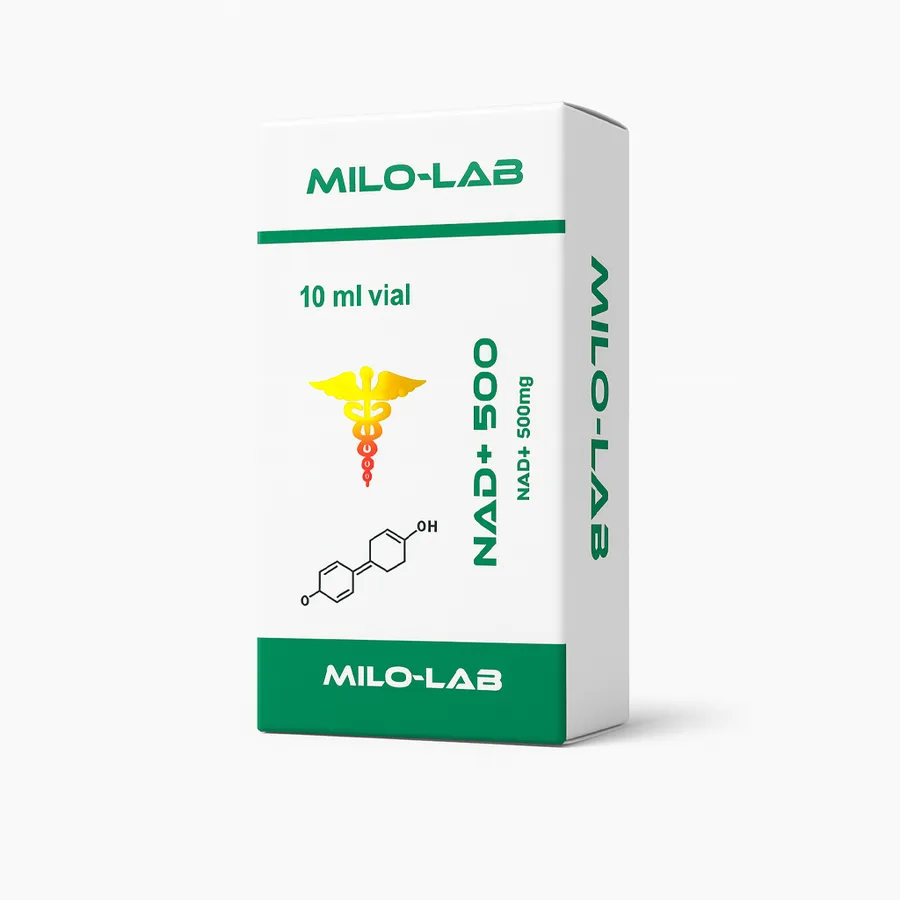
NAD+
NAD+ (nicotinamide adenine dinucleotide) is the central redox coenzyme and sirtuin substrate used in cellular energy, DNA repair and anti-aging research.
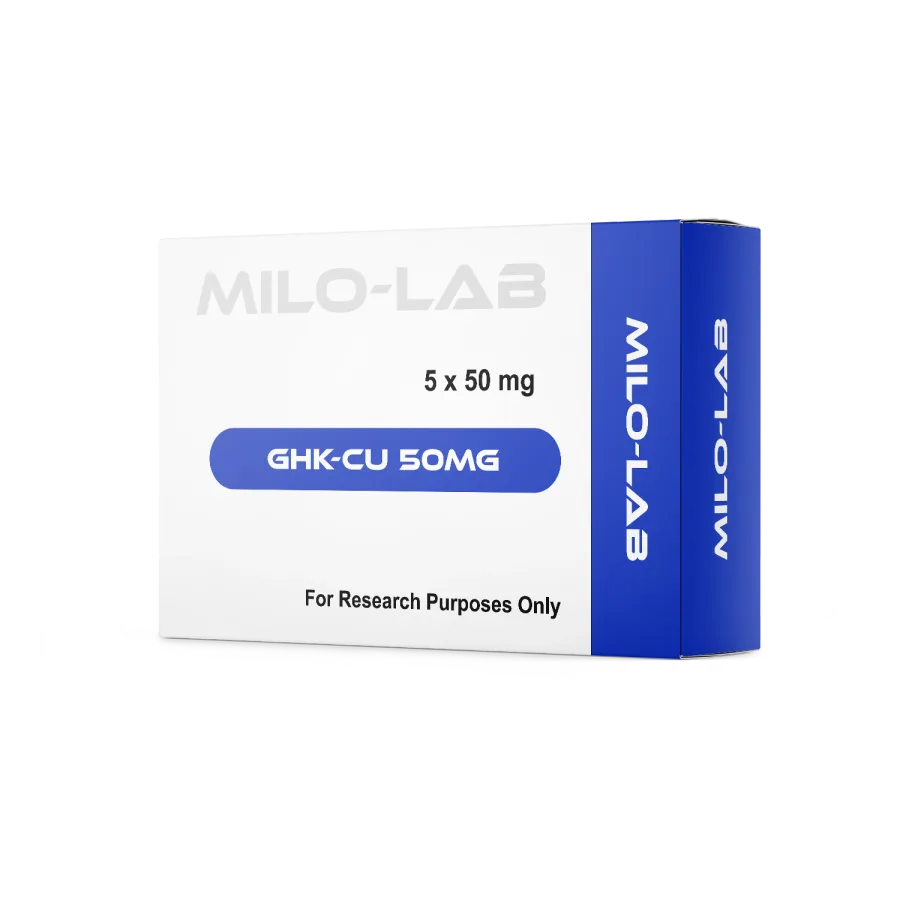
GHK-Cu
GHK-Cu (glycyl-L-histidyl-L-lysine) is a naturally occurring copper-binding tripeptide that drives collagen synthesis, skin repair and wound healing.
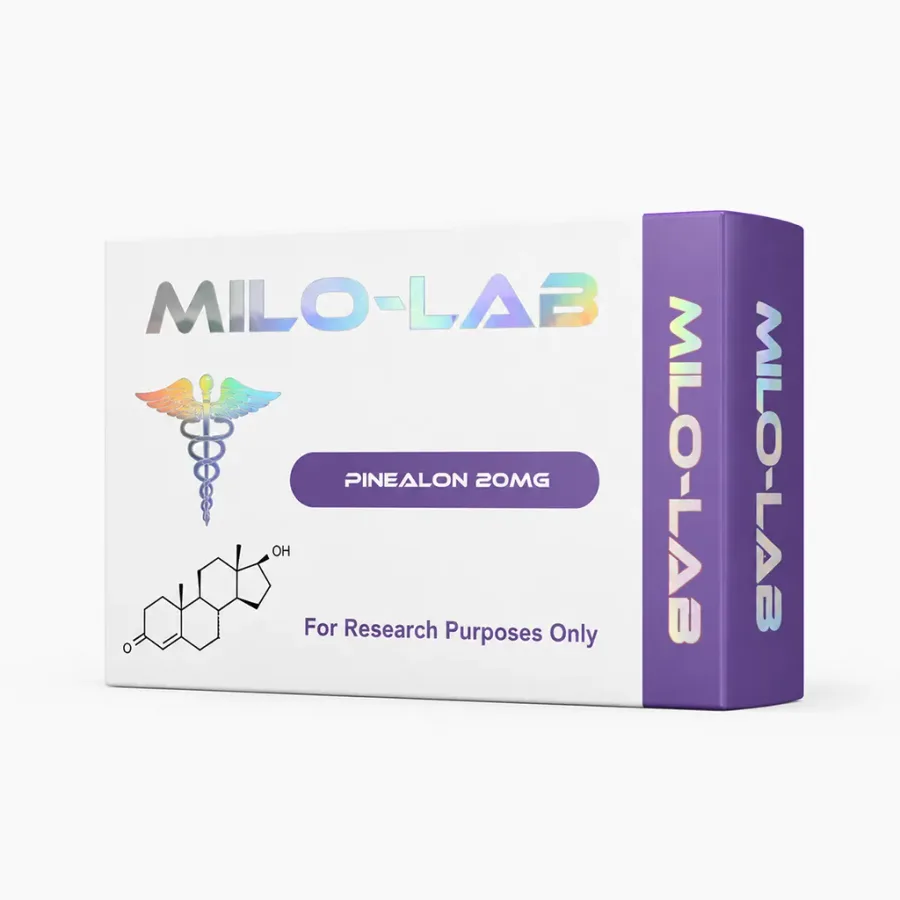
Pinealon
Pinealon (Glu-Asp-Arg, EDR) is a Khavinson short-peptide bioregulator studied for neuroprotection, melatonin support and reduced neuronal oxidative stress.
MOTS-c
MOTS-c is a mitochondrial-derived peptide encoded in mitochondrial DNA that activates AMPK and is studied as an exercise mimetic for metabolic regulation.